

Hey there, tech enthusiasts! I'm a supplier of thin ITX systems, and I often get asked a burning question: "Can I overclock a thin ITX system?" Well, let's dive right into this topic and break it down.
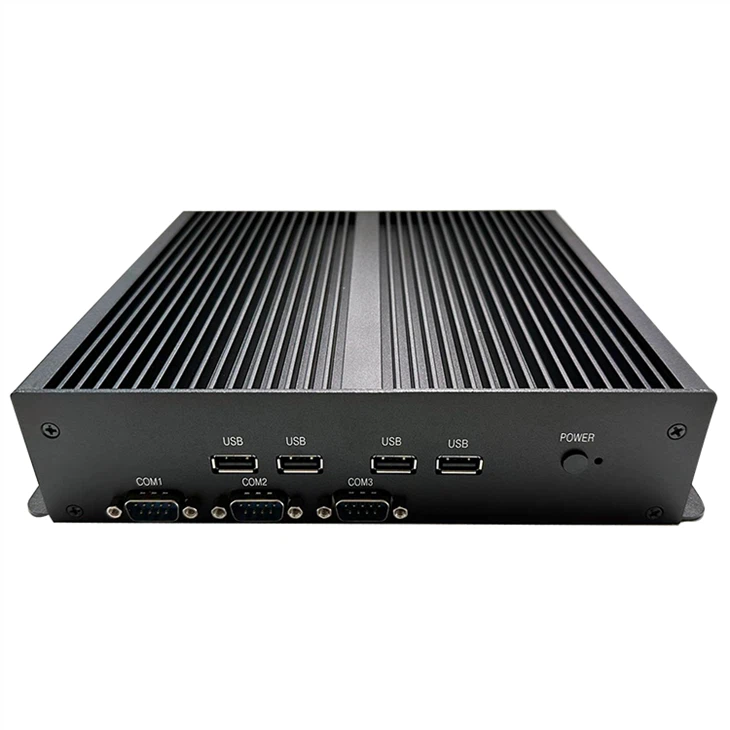
First off, let's understand what a thin ITX system is. These are compact, small - form - factor systems that are designed to be space - efficient. They're great for situations where you don't have a lot of room, like in a small office cubicle or a home entertainment setup where you want a discreet computer. As a supplier, I offer a range of thin ITX systems, including the J1900 Thin Itx, the 11th 12th Thin Itx, and the Mainboard Thin Itx.
Now, onto the big question: overclocking. Overclocking is the process of making your computer's components run faster than their default settings. It can give you a significant performance boost, especially when it comes to tasks like gaming, video editing, or running multiple applications at once. But when it comes to thin ITX systems, things get a bit tricky.
The Challenges of Overclocking Thin ITX Systems
One of the main issues with overclocking thin ITX systems is cooling. These systems are designed to be thin and compact, which means they have limited space for cooling components. Heat is the enemy of overclocking. When you overclock a component, it generates more heat. In a regular desktop system, you can use large heatsinks, powerful fans, or even liquid cooling solutions to keep the temperatures in check. But in a thin ITX system, the cooling options are often quite restricted.
The small form factor means that there's not much room for large heatsinks or multiple fans. The cooling solutions in thin ITX systems are usually designed to handle the default operating temperatures of the components. When you start overclocking, the temperature can quickly rise to dangerous levels. High temperatures can cause your system to throttle, which means it will slow down to prevent damage. In the worst - case scenario, it can even lead to permanent damage to your components.
Another challenge is power consumption. Overclocking requires more power. Thin ITX systems are often designed with power efficiency in mind. They use low - power components and have relatively small power supplies. When you overclock, you're asking these components to work harder, which means they'll draw more power. If your power supply can't handle the increased load, it can lead to instability, system crashes, or even damage to the power supply itself.
Possible Solutions for Overclocking Thin ITX Systems
Despite these challenges, it's not entirely impossible to overclock a thin ITX system. There are a few things you can try if you're determined to squeeze out some extra performance.
Cooling Upgrades
One option is to upgrade the cooling system. You can look for aftermarket cooling solutions that are specifically designed for thin ITX systems. Some companies make low - profile heatsinks and quiet fans that can fit into the limited space of a thin ITX case. You might also consider adding some thermal pads or thermal paste to improve the heat transfer between the components and the heatsink. This can help keep the temperatures down to a more manageable level.
Power Supply Upgrade
If your power supply is struggling to keep up with the increased power demands of overclocking, you can consider upgrading it. Look for a power supply that has a higher wattage and is designed to work with thin ITX systems. Make sure it has the right connectors and is compatible with your motherboard.
Component Selection
When building or choosing a thin ITX system for overclocking, pay close attention to the components. Some processors are more overclock - friendly than others. Look for processors that have a good overclocking potential and are not too power - hungry. You might also want to choose a motherboard that supports overclocking. Some motherboards have built - in features that allow you to easily adjust the clock speeds and voltages of your components.

Is It Worth It?
Now, you might be wondering if all this hassle is worth it. Well, that depends on your needs. If you're a casual user who just uses their computer for web browsing, email, and watching videos, overclocking probably isn't necessary. The default performance of a thin ITX system should be more than enough for these tasks.
However, if you're a power user who needs every bit of performance for gaming, content creation, or running resource - intensive applications, then overclocking might be worth considering. Just be aware of the risks and the extra work involved. You'll need to monitor your system closely to make sure the temperatures and power consumption stay within safe limits.
Real - World Examples
I've had customers who have successfully overclocked their thin ITX systems. One customer, for example, had a J1900 Thin Itx system. He was using it for light gaming and video editing. He decided to try overclocking the processor. He started by upgrading the cooling system with a low - profile heatsink and some high - quality thermal paste. He also monitored the temperatures closely using software. With some careful adjustments to the clock speeds and voltages, he was able to get a noticeable performance boost. His games ran smoother, and his video editing tasks were completed faster.
On the other hand, I've also seen cases where overclocking didn't go so well. A customer tried to overclock their 11th 12th Thin Itx system without upgrading the cooling or power supply. The system started to throttle after just a few minutes of overclocking, and the performance actually got worse. Eventually, the customer had to revert back to the default settings.
Conclusion
So, can you overclock a thin ITX system? The answer is yes, but it's not without its challenges. You need to be aware of the limitations of these systems, especially when it comes to cooling and power consumption. If you're willing to put in the time and effort to upgrade the cooling and power supply, and you're careful about monitoring your system, you might be able to get some extra performance out of your thin ITX system.
If you're interested in learning more about thin ITX systems or are thinking about purchasing one, I'd love to have a chat with you. Whether you're a beginner or an experienced overclocker, we can discuss the best options for your needs. Just reach out, and we can start the procurement and negotiation process.
References
- HardwareZone Forums: Various threads on overclocking small - form - factor systems.
- PCMag: Articles on thin ITX systems and their performance limitations.
- Tom's Hardware: Guides on overclocking processors and dealing with cooling and power issues.