

As a supplier of J1900 Thin Itx, I often get asked whether this product can be used for programming. In this blog post, I'll delve into the capabilities of the J1900 Thin Itx and explore its suitability for programming tasks.

Understanding the J1900 Thin Itx
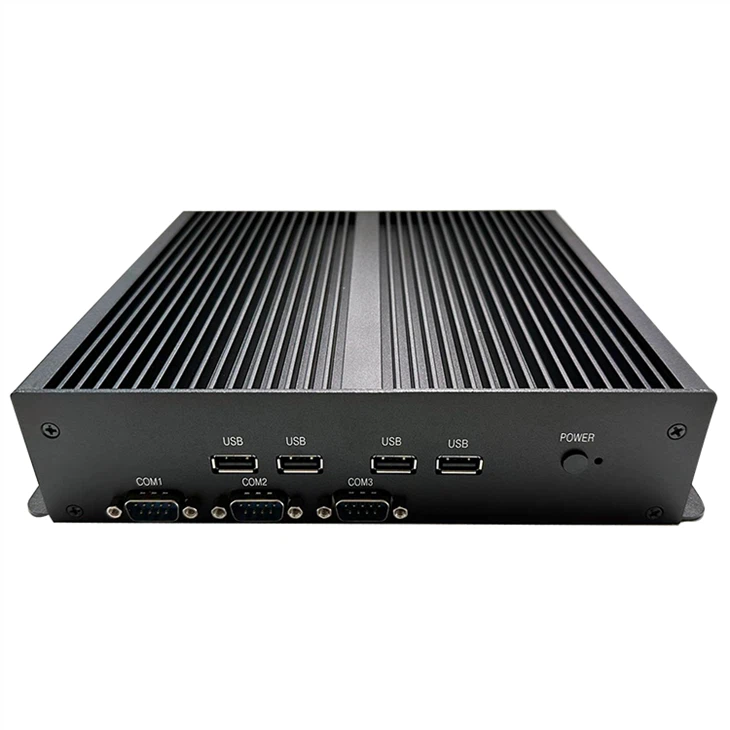
The J1900 Thin Itx is a compact and energy - efficient motherboard solution. It is built around the Intel Celeron J1900 quad - core processor, which operates at a base frequency of 2.0 GHz and can turbo up to 2.42 GHz. This processor is based on the Bay Trail architecture and comes with 2MB of L2 cache.
One of the key features of the J1900 Thin Itx is its small form factor. It adheres to the Thin Mini - ITX standard, which makes it ideal for applications where space is at a premium. This includes small desktop computers, media centers, and industrial control systems.
Programming Requirements
Before we assess whether the J1900 Thin Itx is suitable for programming, let's first understand the typical requirements of programming tasks.
Processing Power
Programming involves running compilers, interpreters, and integrated development environments (IDEs). These applications can be resource - intensive, especially when dealing with large codebases or complex algorithms. For example, compiling a large C++ project or running a virtual machine for development purposes requires a significant amount of processing power.
Memory
Memory is crucial for programming. IDEs often keep multiple files open at once, and variables and data structures need to be stored in memory during the development process. Insufficient memory can lead to slow performance and even crashes.
Storage
Programmers need sufficient storage space to store their code repositories, libraries, and development tools. Additionally, fast storage is beneficial as it can reduce the time taken to load projects and save changes.
Assessing the J1900 Thin Itx for Programming
Processing Power
The Intel Celeron J1900 processor in the J1900 Thin Itx provides a decent level of processing power for basic programming tasks. For simple scripting languages like Python or JavaScript, where the code is interpreted rather than compiled, the J1900 can handle the workload without much trouble. These languages are often used for web development, data analysis, and automation scripts.
However, when it comes to more resource - intensive programming, such as developing large - scale applications in languages like Java or C++, the J1900 may struggle. Compiling large Java projects or running complex algorithms in C++ requires a more powerful processor. The relatively low base frequency and limited cache size of the J1900 can lead to longer compilation times and slower execution of code.
Memory
The J1900 Thin Itx typically supports up to 8GB of DDR3L memory. For basic programming tasks, this amount of memory is usually sufficient. You can have multiple files open in your IDE, run a few background processes, and still have enough memory to work comfortably.
However, if you are working on more complex projects that involve running virtual machines or dealing with large datasets, 8GB of memory may not be enough. In such cases, you may experience slow performance or even system freezes.
Storage
The J1900 Thin Itx usually comes with support for mSATA or 2.5 - inch SATA storage devices. For basic programming, a standard hard drive can provide enough storage space. However, if you want faster performance, an SSD is recommended. An SSD can significantly reduce the time taken to load your IDE and projects, improving your overall productivity.
Use Cases for Programming on the J1900 Thin Itx
Learning and Small - Scale Projects
The J1900 Thin Itx is an excellent choice for beginners who are just starting to learn programming. It is affordable, energy - efficient, and can handle the basic programming tasks required for learning. For example, students can use it to learn Python, JavaScript, or HTML/CSS for web development.
It is also suitable for small - scale projects, such as developing simple web applications or automation scripts. These projects typically have a relatively small codebase and do not require a high - end system.
Embedded and IoT Programming
The small form factor of the J1900 Thin Itx makes it a great option for embedded and Internet of Things (IoT) programming. In these applications, space is often limited, and the system needs to be energy - efficient. The J1900 can be used to develop and test code for embedded devices, such as sensors, actuators, and smart home devices.
Comparison with Other Thin Itx Options
Mainboard Thin Itx
There are other Thin Itx mainboards available in the market. Some of these may offer more powerful processors, larger memory support, and faster storage options. For example, if you need a system for more advanced programming tasks, you may want to consider a Mainboard Thin Itx with a more powerful Intel Core processor.
11th 12th Thin Itx
The 11th and 12th generation Thin Itx boards come with the latest Intel processors, which offer significantly more processing power compared to the J1900. These boards are better suited for large - scale programming projects, software development, and running resource - intensive IDEs.
Conclusion
In conclusion, the J1900 Thin Itx can be used for programming, but its suitability depends on the nature of the programming tasks. For beginners, small - scale projects, and embedded/IoT programming, it is a viable option. However, for more advanced and resource - intensive programming, you may need to consider more powerful alternatives.
If you are interested in purchasing the J1900 Thin Itx for your programming needs or have any questions about our products, feel free to reach out to us. We are here to help you find the best solution for your requirements.
References
- Intel Celeron J1900 Product Specifications. Intel Corporation.
- Programming Best Practices and System Requirements. Various programming communities and online resources.