

Hey there! As a thin ITX supplier, I often get asked this question: "Can I use a high - speed USB device with a thin ITX system?" Well, let's dig into this topic and find out.
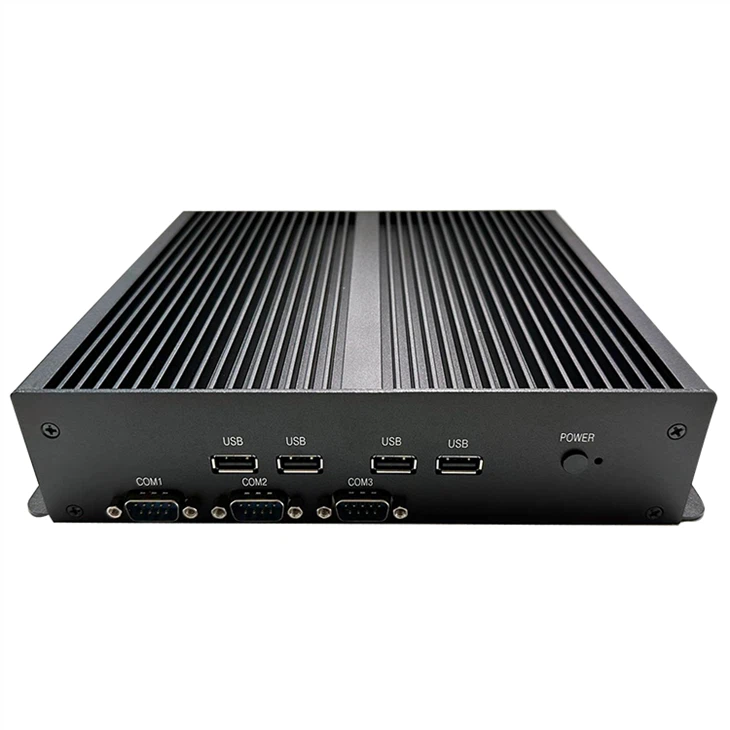
First off, let's talk a bit about thin ITX systems. They're pretty cool, you know? They're small, compact, and great for those who don't have a lot of space but still want a decent computing setup. We've got different models in our range, like the 11th 12th Thin Itx, the J1900 Thin Itx, and the Mainboard Thin Itx. Each of these has its own features and capabilities, but they all share the common trait of being thin and lightweight.
Now, back to the question. The short answer is yes, you can use a high - speed USB device with a thin ITX system. But, as with most things in the tech world, there are a few things to consider.
USB Standards Compatibility
One of the main factors is the USB standard supported by your thin ITX system. USB standards have evolved over the years, from the old USB 1.0 to the super - fast USB 3.2 Gen 2x2. If your thin ITX system has a USB 3.0 or later port, you're in luck. High - speed USB devices, like external SSDs or high - resolution webcams, usually require at least USB 3.0 to function at their best.
For example, if you've got a 11th 12th Thin Itx system, chances are it comes with USB 3.0 or higher ports. This means you can connect a high - speed external SSD and transfer data at speeds of up to 5 Gbps (USB 3.0) or even 10 Gbps (USB 3.1 Gen 1). That's a huge improvement compared to the old USB 2.0, which maxes out at 480 Mbps.
However, if your thin ITX system only has USB 2.0 ports, like some of the older J1900 Thin Itx models, you'll still be able to connect a high - speed USB device. But you won't get the full speed benefits. The device will be limited to the 480 Mbps speed of USB 2.0, which can be a real bottleneck when transferring large files.
Power Supply
Another thing to think about is the power supply. High - speed USB devices can draw a significant amount of power, especially when they're working hard. For instance, an external hard drive or a high - end webcam may require more power than a standard USB port can provide.
Most thin ITX systems are designed to be energy - efficient, which means they may have limitations on the amount of power they can supply through their USB ports. If you're planning to use a power - hungry high - speed USB device, make sure your thin ITX system can handle it. Some devices come with their own power adapters, which can help alleviate this issue.
System Resources
Your thin ITX system's overall resources, such as CPU and memory, also play a role. A high - speed USB device can transfer data quickly, but if your system can't process that data fast enough, you'll experience slowdowns.
For example, if you're using a high - speed external SSD to transfer large video files, your system's CPU and memory need to be able to handle the data stream. If your Mainboard Thin Itx has a low - end CPU and limited memory, it may struggle to keep up with the fast data transfer rate. In this case, you might want to consider upgrading your system's resources to ensure smooth operation.
Driver Support
Driver support is crucial for getting the most out of your high - speed USB device. Your thin ITX system needs the right drivers to recognize and communicate with the device properly.
Most modern operating systems come with built - in drivers for common USB devices. However, for some specialized high - speed USB devices, you may need to install additional drivers from the manufacturer's website. Make sure to check for driver updates regularly to ensure optimal performance.
Benefits of Using High - Speed USB Devices with Thin ITX Systems
There are several benefits to using high - speed USB devices with thin ITX systems. For one, it allows you to expand the functionality of your system. You can easily add external storage, connect a high - quality webcam for video conferencing, or use a high - speed USB microphone for recording.
Another benefit is portability. Thin ITX systems are already portable, and high - speed USB devices add to that portability. You can carry your external SSD or webcam with you and easily connect them to your thin ITX system wherever you go.

Conclusion
So, in conclusion, yes, you can use a high - speed USB device with a thin ITX system. But you need to consider factors like USB standards compatibility, power supply, system resources, and driver support. By doing so, you can ensure that you get the most out of your high - speed USB device and your thin ITX system.
If you're interested in learning more about our thin ITX systems or have any questions about using high - speed USB devices with them, feel free to reach out. We're always here to help you make the best choice for your needs. Whether you're a home user looking for a compact computing solution or a business owner in need of a reliable thin ITX system, we've got you covered. So, don't hesitate to contact us for a purchase and let's start a great tech journey together!
References
- "USB Implementers Forum." USB.org.
- "Computer Hardware: A Beginner's Guide." Various tech blogs and online resources.